In cybersecurity, a threat model is like a map that shows where your sensitive assets are, what could go wrong, and how you plan to protect everything. But here’s the catch: if your systems change, your map can quickly become outdated.
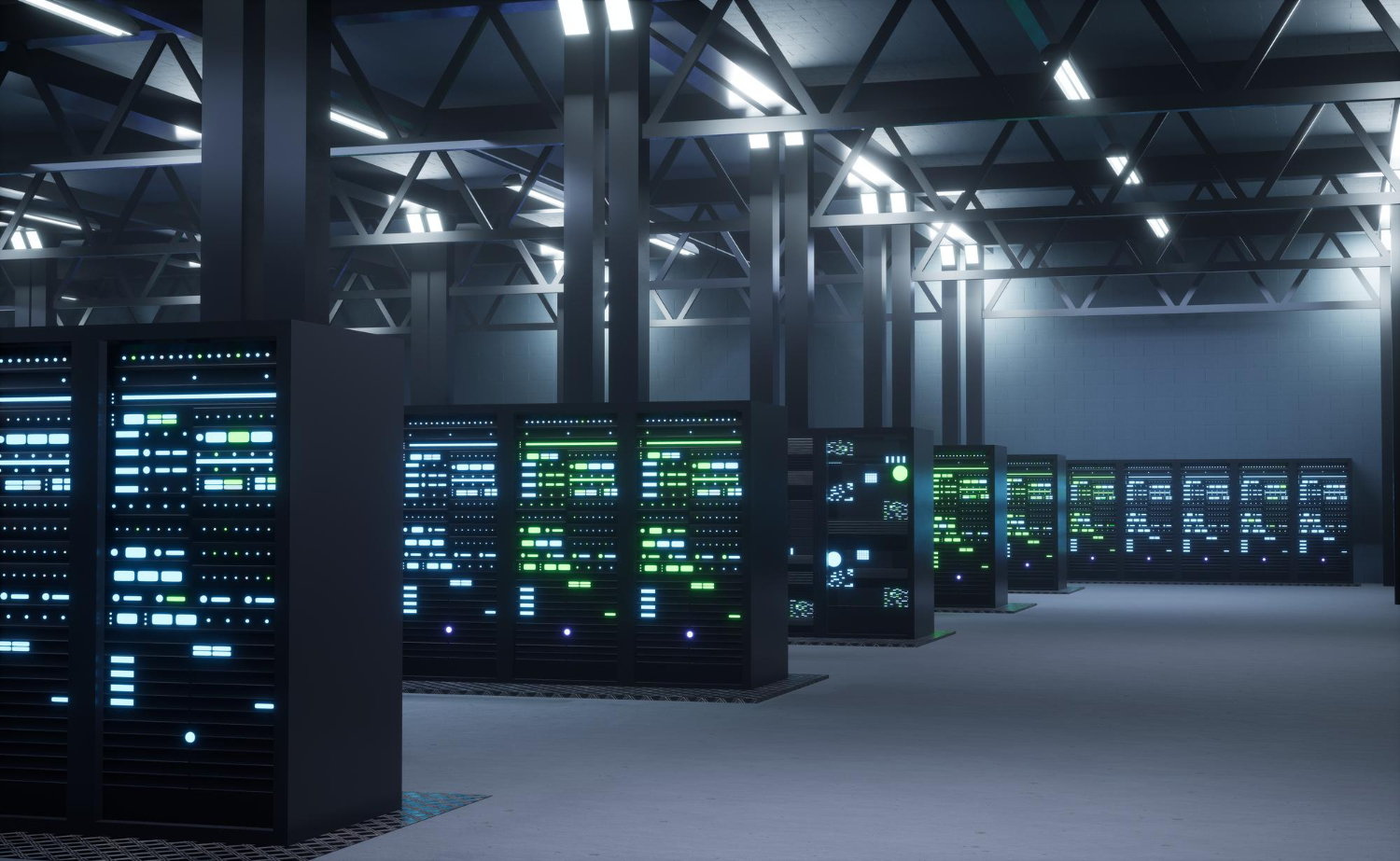
One of the most important—and often overlooked—times to update your threat model is when you add a new data repository.
Why a New Data Repository Changes Everything
Adding a new place to store data (like a cloud bucket, database, or shared drive) might seem like a routine step in application development. But behind the scenes, it introduces several big changes:
| Change Introduced | Why It Matters |
|---|---|
| New data location | More places for sensitive information to live means more points to secure. |
| Different access rules | New users, apps, or third-party tools may now need permissions. |
| Integration with other systems | More connections = more opportunities for data leaks or misconfigurations. |
| New compliance requirements | Storing data in certain locations (like across borders or in cloud environments) may trigger privacy or regulatory concerns. |
All of these shifts can expose new risks—risks your old threat model may not cover.
What Is a Threat Model, Anyway?
A threat model helps teams understand:
- What assets need protecting (like customer data or payment info)
- Who might try to attack them (hackers, insiders, etc.)
- How those attacks might happen (phishing, unauthorized access, malware)
- What defenses are in place (encryption, firewalls, access controls)
If you don’t update the model after big changes, you’re working with blind spots.
Triggers That Don’t Always Require a Full Model Update
- Patching the operating system – It’s good practice, but doesn’t usually affect architecture.
- Hiring a new developer – Affects team structure, not system design.
- Changing firewall rules – Important for security, but typically not major unless it opens up access to new systems.
These activities matter—but they don’t fundamentally change how your application stores or handles sensitive data the way a new repository does.
What to Do When You Add a New Repository
- Update your threat model
Review where data is going, how it’s accessed, and what new threats it introduces. - Review access controls
Make sure only the right users or systems can touch the data. - Apply encryption and backups
Don’t assume the repository is secure by default—harden it. - Monitor and log activity
Keep an eye on who’s accessing the new data and when.
Final Thought
A threat model is not a one-and-done document. It should grow and evolve alongside your systems. Whenever you introduce a new data repository, you’re creating new opportunities—and new risks. Take time to update your threat model so your security stays one step ahead.
Leave a Reply